
You’ve probably heard about Australia’s iconic marsupials like kangaroos and koalas, but did you know it’s also home to unique creatures like platypus and echidna?
Or that its Indigenous culture is one of the oldest in the world, dating back over 50,000 years?
Explore Australia’s vast landscapes, from its pink lakes to the Great Barrier Reef, and you’ll uncover a trove of intriguing trivia.
As we journey through these 10 fascinating facts, you’ll find there’s more to Australia than meets the eye.
Ready to venture into the unknown?
Australia’s Impressive Size
Often overlooked, Australia’s impressive size might surprise you, as it stands as the sixth largest country in the world, covering a massive 7.692 million square kilometers.
It’s not just about size, but also about the unique population distribution. Despite its vastness, most Aussies choose to live along the coast, leaving the immense Outback largely uninhabited.
This means that Outback exploration can feel like stepping into an untouched world, with wildlife and landscapes that are distinctly Aussie.
You’d be amazed to know that the Outback covers 70% of the Australian landmass! So, while Australia may not be densely populated, it’s abundant in diverse environments, rich history, and unique wildlife.
The Indigenous Australian Culture
While you’re admiring Australia’s vast landscapes, it’s equally fascinating to immerse yourself in the rich tapestry of the Indigenous Australian culture. This ancient society, spanning back over 50,000 years, holds an abundance of intriguing traditions and beliefs.
One of the most captivating aspects is the Dreamtime Stories. These are spiritual narratives relating to the creation of the universe and the rules for societal behavior. You’ll also be intrigued by the vivid Aboriginal Art, an intricate visual language awash with patterns, symbolism, and bright colors.
This art form isn’t just for aesthetics, it’s an essential medium for conveying the Dreamtime Stories and preserving the history of an enduring culture. So, don’t miss out on this profound cultural experience during your Australian journey.
Unique Australian Wildlife
Exploring the world of Australia’s unique wildlife, you’ll encounter a variety of species that are as diverse and vibrant as the land itself.
Marsupial evolution, a key Australian highlight, has given rise to fascinating creatures like the kangaroo and koala, found nowhere else on Earth. You’ll be intrigued by the platypus, an egg-laying mammal with a duck’s bill, and the echidna, a spiny ant-eater.
But remember, not all Aussie animals are cuddly. Australia also hosts some of the world’s most dangerous species. From the venomous inland taipan snake to the saltwater crocodile, these fierce creatures demand respect.
So, while you’re marveling at Australia’s wildlife, remember to keep your distance!
Australia’s unique biodiversity is truly a wonder to behold.
Australia’s Pink Lakes Mystery
You might find it hard to believe, but Australia’s landscape boasts a plethora of vibrantly hued pink lakes, a mesmerizing natural phenomenon shrouded in mystery.
These pink lakes are a result of a unique lake formation process. They’re not just ordinary bodies of water, but saline lakes, formed by ancient seawater trapped and evaporated over time.
Wondering about the pink hue explanation? It’s a fascinating science. The lakes’ distinct pink color is thanks to a certain type of algae that thrives in high salt conditions, Dunaliella salina. This algae, along with halobacteria, produces carotenoids, a pigment found in carrots.
When the lake’s salt concentration peaks, these organisms multiply, giving the water a vibrant pink hue.
Astonishing, isn’t it?
The Great Barrier Reef Wonders
Diving deeper into Australia’s natural marvels, let’s now turn our attention to the Great Barrier Reef, a spectacular underwater world teeming with vibrant coral gardens and diverse marine life.
You’d be fascinated to know that this majestic reef stretches over 2,300 kilometers, making it the world’s largest coral reef system.
However, it’s facing a serious Coral Bleaching Crisis, a consequence of global warming. This threatens the survival of thousands of marine species and the reef’s brilliant colours. But there’s more to this reef than its ecological importance.
The Indigenous Reef Stories, passed down through generations, enrich Australia’s cultural heritage, recounting tales of spiritual connections between the reef and its Indigenous people.
Ultimately, the reef is a living testimony to both Australia’s natural and cultural wonders.
Australia’s Gold Rush Era
From the azure depths of the Great Barrier Reef, we now shift our focus to the dusty landscapes of the mid-19th century, a time that marked the legendary Gold Rush Era in Australia.
This significant period dramatically shaped Australia’s cultural, economic, and demographic landscape, forming the Gold Rush Impact still felt today.
Gold fever swept the nation and worldwide, drawing scores of fortune seekers to Australia’s goldfields.
Mining Innovations sprouted from this fervor, transforming the mining industry forever. The introduction of new mining techniques and machinery boosted production, resulting in the extraction of vast amounts of gold.
The Gold Rush Era not only brought wealth but also catalyzed major population growth, forever changing the course of Australian history.
So, remember, Australia’s not just about surf and sun, it’s also a land with a golden past.
The Emu and Kangaroo Symbolism
Beyond the glimmering legacy of gold, Australia’s national identity is also deeply tied to its unique wildlife, particularly the emu and kangaroo, symbols that hold significant cultural importance.
Ever heard about emu warfare history? It’s a fascinating part of Australia’s past, where emus were seen as formidable opponents in a peculiar conflict known as the ‘Great Emu War’.
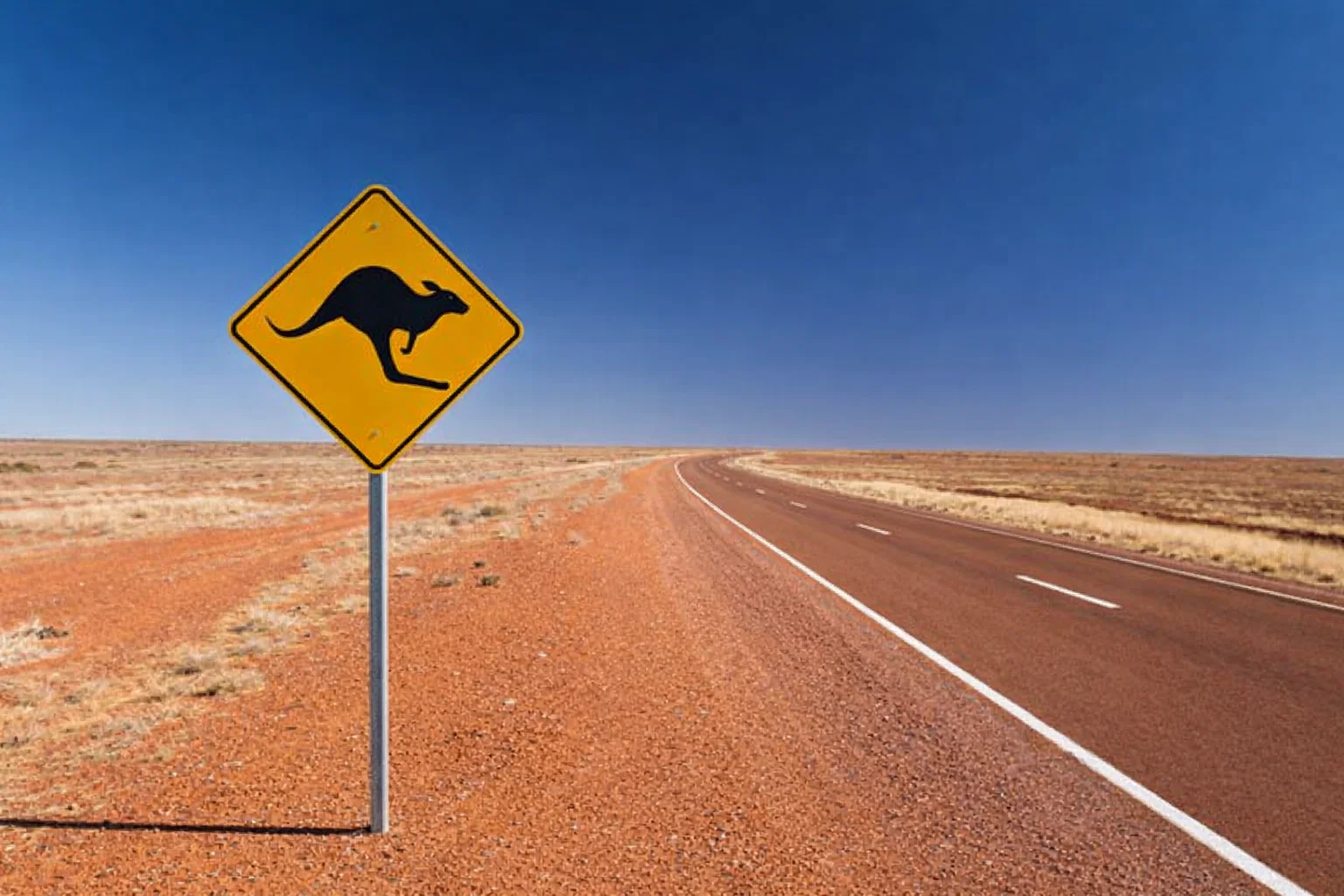
Meanwhile, the kangaroo’s iconography significance is equally intriguing. It’s not just an animal hopping around; it’s a symbol of moving forward, as kangaroos can’t move backwards. This iconography often reminds Australians to always progress.
Australia’s Diverse Ecosystem
Venturing into Australia’s diverse ecosystem, you’ll find a remarkable variety of flora and fauna that’s as unique as the country itself. Australia is home to more than one million different species, many of which are found nowhere else in the world.
Your flora exploration will lead to the discovery of vibrant wildflowers and ancient rainforests filled with towering eucalyptus trees. But the biodiversity doesn’t stop on land. Dive beneath the waves and you’ll be amazed at the marine biodiversity.
The Great Barrier Reef alone houses thousands of distinct species.
Australia’s ecosystem is a biologists’ paradise, a place where you can encounter a dizzying array of wildlife in a single day. It’s a reflection of the country’s ecological richness and a fascinating fact about Australia you mightn’t have known.
Australia’s Fascinating Weather Patterns
Despite its reputation for sunny, dry weather, Australia’s climate is a complex tapestry of varying weather patterns that can leave you awestruck. You’ll be surprised to know cyclone patterns play a significant role in shaping this continent’s weather.
Particularly in the northern regions, cyclones can bring heavy rain, strong winds, and even floods.
Equally intriguing are the heatwave impacts, which are often felt most intensely in the southern and central regions. Heatwaves can cause temperatures to soar above 40 degrees Celsius, leading to droughts and bushfires.
It’s not all harsh though, as these patterns also contribute to Australia’s unique biodiversity.
The World’s Oldest Fossil Discovery
In the rugged terrain of Western Australia, you’ll find what scientists deem to be the world’s oldest fossils, a proof of the country’s rich prehistoric past. Unearthed from the ancient seabed of the Pilbara region, these 3.5-billion-year-old microfossils offer invaluable prehistoric life insights.
They’re not your typical dinosaur bones; these are tiny structures within rocks, believed to be remnants of ancient bacteria.
Fossil preservation methods used here are meticulous, involving careful extraction, categorization, and microscopic examination.
These fossils provide us with a window into primeval times, offering clues about the early forms of life and the conditions they lived in. So next time you think about Australia, remember, it’s not just kangaroos and koalas—it’s also home to the world’s oldest known fossils.
Final Thoughts
So, you’ve dived into the vastness of Australia, from its giant size to its ancient Indigenous culture. You’ve met unique marsupials, solved the pink lakes mystery, and explored the Great Barrier Reef.
You’ve understood the symbolism of the emu and kangaroo, appreciated its diverse ecosystems, weather patterns, and even discovered the world’s oldest fossils.
There’s no doubt about it – Australia is a fascinating treasure trove of wonders, and you’ve only just scratched the surface!