


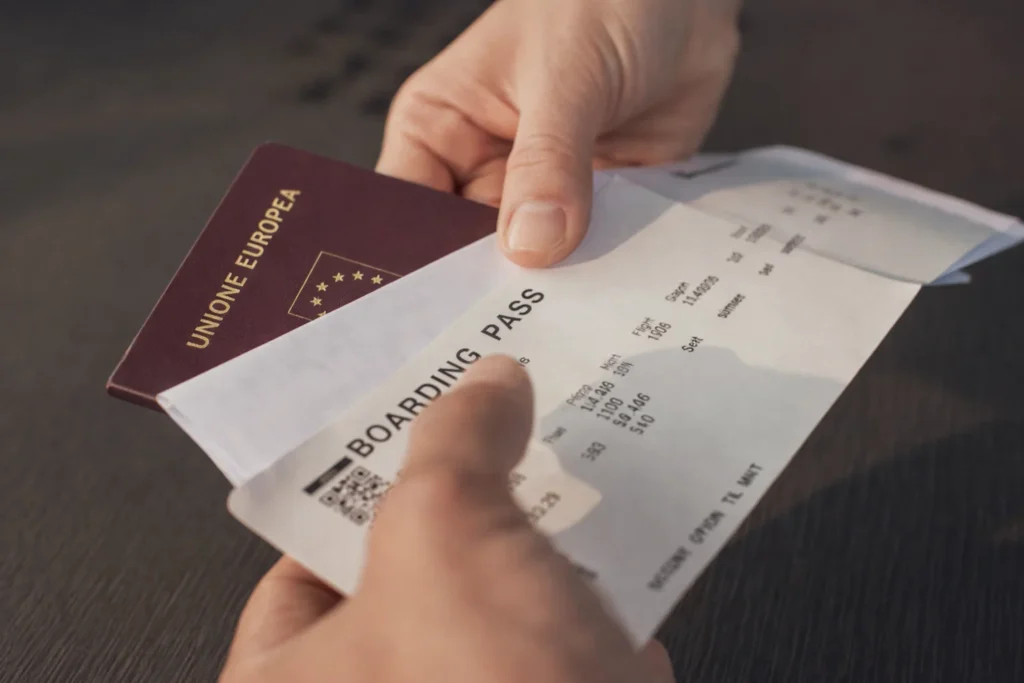
Two travellers find the same flight to Berlin. One checks the fare, books a seat and starts packing. The other checks appointment availability at a consulate, gathers bank statements and wonders whether a decision will arrive before departure. Their plans look identical on a booking website. Their passports make them very different journeys.
The phrase passport privilege describes this uneven freedom. Citizenship can affect how quickly someone visits family, attends a conference, takes a job interview or studies overseas. Money and personal circumstances matter too, but immigration rules create a barrier before a traveller even reaches the airport.
What passport rankings measure—and what they miss
Passport rankings count destinations accessible under particular entry arrangements. Some count visa-free travel, visas on arrival and electronic authorisations differently. A change in methodology can move a country up or down without changing what its citizens can actually do. Treat any ranking as a dated comparison, not a travel document.
Permission to enter is also narrower than permission to stay or work. A tourist may be admitted for a short visit while being prohibited from taking local employment. Even where a visa is not required in advance, travellers can face conditions concerning passports, funds, onward tickets and purpose of visit. Border authorities may refuse entry when those conditions are not met.
For an actual journey, the destination government’s current guidance matters more than a league table. Travellers should check the rules for their citizenship, residence status, intended activity and route, including any transit stops.
The paperwork has a price
An application fee is only one part of the cost of a visa. Applicants may have to travel to a consulate, pay for photographs or translations, obtain insurance and take time away from work. Some need an invitation, evidence of accommodation or documents showing that they can support themselves during the trip.
These requirements fall unevenly. Someone with predictable earnings, paid leave and a nearby visa centre may complete the process relatively easily. A person with irregular income or a long journey to the nearest appointment faces more uncertainty, even when both intend to attend the same event.
Processing times can be as important as fees. A last-minute conference invitation is of little use to a researcher who cannot obtain an appointment before the opening session. A family visit may become impossible when an urgent situation leaves no time for an application. Organisations often overlook this when they assume every invited guest can travel on the same timetable.
A holiday visa is not a work permit
The distinction between visiting, studying, residing and working deserves particular care. Short-stay entry generally does not grant a broad right to employment. Remote work can raise additional questions: earning money from an employer abroad does not automatically make that activity lawful under a visitor’s conditions. Immigration, tax and employment rules may apply separately.
Regional arrangements create different rights. EU citizens generally have rights to move and reside within other EU member states under EU free-movement law, subject to relevant conditions. That is more substantial than a tourist visa waiver. The European Commission’s free movement guidance explains the framework; national authorities provide the practical registration requirements.
The lesson is not that travel rules are unknowable. It is that a single passport score cannot answer whether a person can accept a job, spend a year abroad or enrol in a course.
Why nationality affects opportunity
Governments use visas to administer entry, migration and security policies. Bilateral agreements and diplomatic relationships also influence which nationalities receive exemptions. These are policy choices made at state level, but their consequences are felt by individual travellers who may have no control over them.
The effects reach beyond tourism. Conferences, interviews, academic exchanges and professional meetings often reward people who can respond quickly. Repeated access to those occasions can help someone build contacts and experience. A delayed visa may mean more than one missed trip; it can mean a lost introduction or a missed opening in a career.
This does not mean that everyone with easier entry rights is wealthy or mobile. Some cannot afford to travel at all. Passport privilege identifies one advantage among several, not a complete account of a person’s circumstances.
Money, distance and information still matter
Visa-free access cannot pay for a flight. Geography affects ticket prices, route availability and the time needed to reach a destination. People with caregiving duties or inflexible jobs may be unable to leave even when immigration rules would allow it.
Information creates another divide. Official rules can be technical, change at short notice and differ by nationality. Unofficial sites sometimes reproduce outdated requirements or charge unnecessary service fees. The safest starting point is the destination’s immigration authority or embassy, followed by the airline’s document requirements for the actual itinerary.
A useful travel check therefore has four parts: can I enter legally, can I afford the trip, can I physically reach the destination, and am I allowed to do what I plan once there? A yes to one question does not settle the others.
The human cost of waiting
Visa decisions can carry an emotional weight that travel advertising rarely acknowledges. Someone may postpone booking a reunion, avoid promising attendance at a wedding or hesitate to apply for an overseas opportunity. Even an eventual approval cannot always recover the weeks spent uncertain about the outcome.
A refusal can be distressing, but the reasons and routes for review vary between jurisdictions and visa types. Applicants should rely on the written decision and the issuing authority’s instructions rather than assuming that a new application or appeal will always be available.
It is equally important not to portray every visa applicant as helpless. People organise their lives around restrictions with ingenuity and persistence. The unfairness lies in how much additional time, expense and risk some must absorb for an ordinary journey.
What institutions can change
No single reform would erase differences between national immigration systems. Clear application requirements, accessible appointments, realistic published processing information and understandable refusal decisions would nevertheless make planning less arbitrary. Digital applications can reduce travel to visa centres, provided alternatives remain for people without reliable internet or payment access.
Employers, universities and conference organisers have immediate choices too. They can send invitation letters early, avoid imposing unrealistic travel deadlines and offer remote participation when entry permission is delayed. These measures do not change the law, but they reduce the extent to which bureaucracy decides who gets heard.
Before telling someone to ‘just book the ticket’
The pleasure of travel and the value of meeting people across borders are real. So is the difference between wanting to go and being allowed to go. Our related article on travel as social capital considers how movement can confer status and opportunity long after a trip ends.
A passport says little about a person’s curiosity, talent or reasons for travelling. It can still determine whether an invitation is practical or merely theoretical. The next time someone recommends a spontaneous trip, the useful question is not only where to go. It is who has the freedom to leave tomorrow.