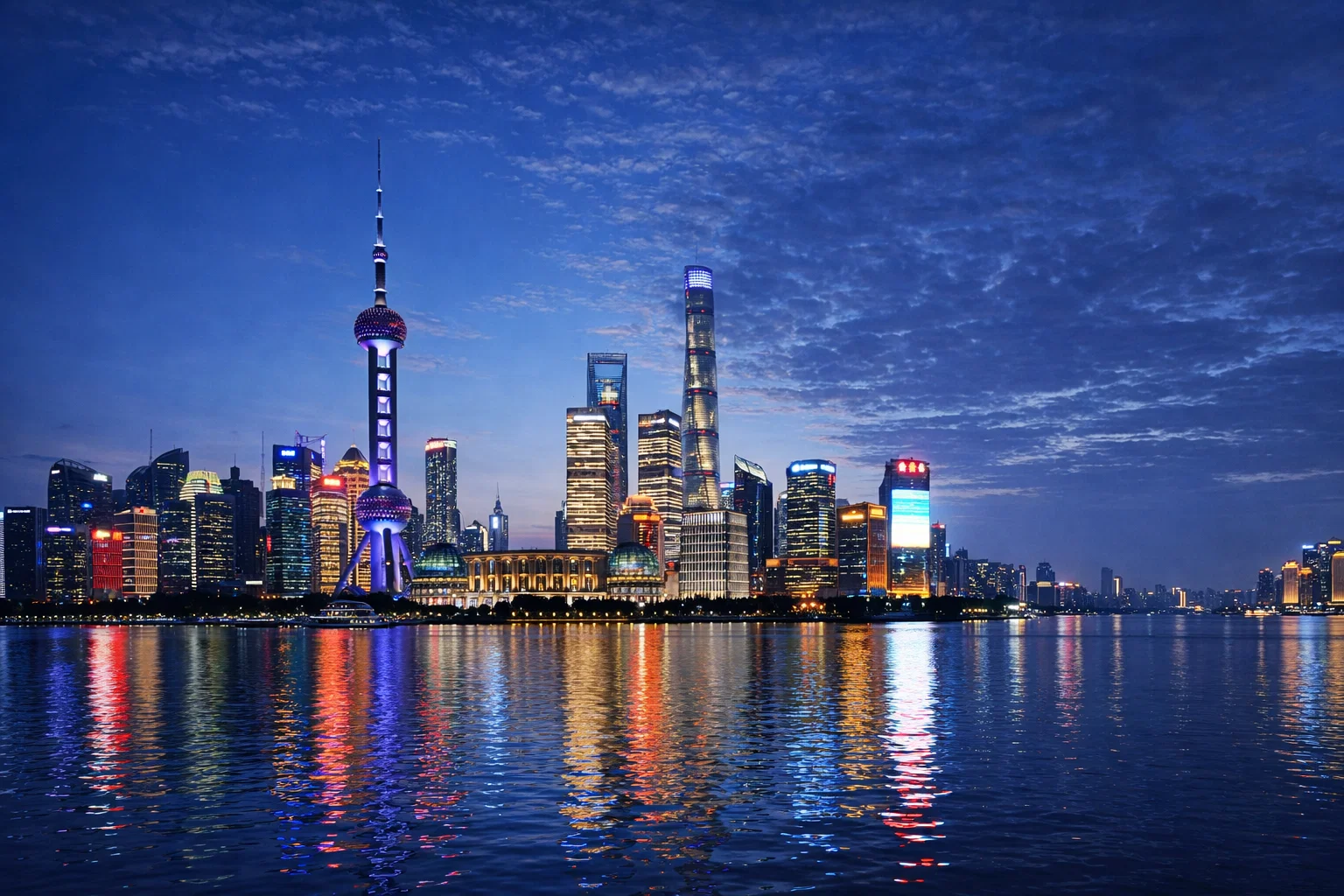
You’re on the brink of exploring one of the world’s oldest and most intriguing cultures – China.
Its traditions, steeped in millennia of history, echo the teachings of Confucianism and Taoism, emphasizing harmony, respect for elders, and reverence for nature. Consider the complexity of the Chinese language, an evolution from simple pictographs to intricate characters, mirroring the depth of its cultural heritage.
As you journey through the variance of regional cuisines to the importance of family values, you’ll find there’s much more to uncover about this rich cultural landscape.
The Roots of Chinese Traditions
Delving into the roots of Chinese traditions, you’ll find that they trace back thousands of years, embodying a rich blend of history, philosophy, and social customs that have shaped China’s culture greatly.
The Confucian Influence is particularly profound, with its teachings on morality, social roles, and respect for elders shaping societal norms and individual values. Its focus on harmony and family has contributed immensely to the Chinese way of life.
Furthermore, the Taoism Impact is visible in Chinese people’s embrace of nature, balance, and simplicity. Taoist principles of yin and yang, the interconnectedness of opposites, permeate Chinese art, medicine, and cuisine.
These philosophies, deeply entrenched in Chinese traditions, continue to guide the cultural ethos of China today.
Intricacies of Chinese Language
When you explore the intricacies of the Chinese language, you’ll uncover it’s not just a form of communication, but a profound aspect of China’s cultural heritage with its own unique complexities and nuances.
The calligraphy importance lies not only in its aesthetic appeal but also as a tangible link to history, showcasing the language evolution over centuries. The written art form is deeply rooted in tradition, and each stroke reveals the balance, harmony, and order in Chinese philosophy.
The language’s evolution is equally fascinating, as it has transformed from symbolic pictographs to a system of complex characters. As you investigate further, you comprehend the language isn’t just phonetics and syntax, but a vivid tapestry of history, philosophy, and art.
Chinese Food: A Diverse Palette
Entering the world of Chinese cuisine, you’ll find an astounding diversity of flavors, techniques, and regional specialties that reflect the vastness of China’s geography and its rich cultural history.
For example, consider the dumpling evolution. Originally a simple morsel of dough with a meat or vegetable filling, Chinese dumplings have evolved into a myriad of variations, from soup-filled xiaolongbao to crescent-shaped jiaozi, each representing different regions and traditions.
The significance of tea in China can’t be overstated either. More than just a beverage, tea has shaped the country’s social customs, art, and philosophy. From the intricate rituals of the tea ceremony to the casual sipping at dim sum, tea is truly an integral part of Chinese culture.
The Significance of Family Values
Have you ever wondered about the paramount importance of family values in Chinese society?
Well, it’s deeply rooted in two concepts: Filial Piety and Ancestor Worship. Filial Piety, or ‘xiao’, is a key virtue in Chinese culture. It’s not just about respect for parents and elders, but also an obligation to maintain harmony within the family. You’re expected to look after your parents in their old age, just as they did for you as a child.
On the other hand, Ancestor Worship involves rituals to honor ancestors, reflecting the belief that they’re still part of the family and can influence their descendants’ fortune.
It’s not just about tradition, but a way of life, reinforcing the Chinese emphasis on family unity and continuity.

Impact of Buddhism on Culture
Shifting our focus from family values, let’s explore how Buddhism, with its spiritual and philosophical teachings, has profoundly influenced Chinese culture.
Buddhist architecture, for instance, has left an indelible mark. It’s reflected in the majestic temples and monasteries sprinkled across the country, each with unique designs and intricate details. The pagodas, symbolic of the Buddhist cosmos, stand as evidence to the faith’s deep-rooted presence.
Moreover, the philosophical influences of Buddhism are evident in Chinese literature, art, and ethics. It’s particularly seen in the emphasis on harmony, compassion, and mindfulness.
Buddhism, with its non-theistic approach and focus on personal spiritual development, has indeed shaped the Chinese worldview, making it an essential part of the country’s cultural fabric.
Contemporary Chinese Art Scene
Diving into the vibrant world of the contemporary Chinese art scene, you’ll find a kaleidoscope of creations that reflect the country’s rapidly evolving cultural and socio-political landscape. Artists use bold strokes and innovative forms to challenge and interpret the status quo.
However, the shadow of artistic censorship looms large, affecting the freedom and scope of creative expression. Despite these constraints, Chinese art has wielded significant global influence, with works auctioned at hefty prices in international markets.
Artists like Ai Weiwei have pushed boundaries, gaining international acclaim. The art scene is indeed a mirror to China’s transformation, capturing the nation’s pulsating energy and potent potential while grappling with its complex realities.
Chinese Festivals and Celebrations
While the contemporary art scene captures China’s dynamic energy and complex realities, the country’s festive spirit reflected in various festivals and celebrations offers an equally vibrant and deeply rooted glimpse of its rich cultural heritage.
Let’s take the Lantern Festival, for instance. Its significance lies in its celebration of family reunion and society, involving the lighting and appreciation of colorful lanterns.
Then there’s the Dragon Boat Festival, with its unique customs like dragon boat racing and eating zongzi, a sticky rice dumpling. These customs aren’t just festive but also pay homage to Qu Yuan, a famous poet.
In these celebrations, you’ll see China’s culture at its most vibrant, reflecting the importance of family, community, and honoring the past.
At The End
You’ve journeyed through China’s rich cultural tapestry, from its ancient traditions to the vibrant art scene of today.
You’ve explored the intricacies of the Chinese language, savored the diverse regional cuisines, and investigated the profound significance of family values.
You’ve seen how Buddhism has shaped its culture and celebrated its grand festivals. It’s clear that China’s culture is a reflection of its profound history and continues to thrive amidst modern changes.