The 10 Strangest Phobias You’ve Never Heard Of

Distressed woman with tear-filled eyes and hands covering mouth in emotional turmoil.

What if the simple act of holding a smartphone filled you with overwhelming dread? Imagine a world where colors, everyday objects, or even the thought of sleep ignites an unexplainable fear deep within you. While most of us navigate daily life without such anxieties, there exists a hidden landscape of phobias that turn the mundane … Read more

The Blue Whale Challenge: A Dark Myth of the Digital Age

There are stories that get whispered in the corners of classrooms, passed along like ghost tales at the edge of sleepovers. They seep through the cracks in reality, where the digital world blurs with the one we wake up to each morning. One of those stories is the Blue Whale Challenge. It starts innocuously, with … Read more

The Social Maze: Unraveling the Surprising Ways We’re Influenced by Others

Friends enjoying coffee and laughter in trendy cafe with lush greenery and cozy ambiance.

Ever catch yourself mirroring a friend’s slang or changing your opinion after a heated group debate? We’ve all experienced those moments where we wonder, “Why did I do that?” Turns out, there’s a whole field of psychology dedicated to unraveling the intricate ways we’re influenced by those around us. Elliot Aronson’s “The Social Animal” takes … Read more

The 20 Questions Guaranteed to Ruin a First Date

Couple sharing joy and laughter, sitting close with warm smiles, in a serene outdoor setting.

First dates can be nerve-wracking experiences filled with excitement, anticipation, and a touch of anxiety. It’s a time when two individuals explore the possibility of a romantic connection, hoping to make a good impression on each other. However, amidst the flurry of emotions and the desire to get to know each other better, specific questions … Read more

Never Ask These 15 Questions at a Party (Unless You Want to Be ‘That’ Person)

Are you tired of being “that” person at parties? You know, the one who asks all the wrong questions and ends up making everyone feel uncomfortable? Well, fear not, because I’m here to help you avoid that dreaded title. There are certain questions that should never be asked at a party if you want to … Read more

10 Curious Things About Sex I Learned From Watching Porn

Couple bonding in bed with laptop, sharing a cozy moment together.

In attempting to decipher the complex and often misunderstood world of sexual intimacy, it is important to consider all sources of information, one of which is pornography. This medium, while often stigmatized, can offer a unique perspective on the subject, though it is not without its flaws. From unrealistic expectations and performances to the misrepresentation … Read more

Are You a Pocket Pet?

Charming guinea pig with party hat on box in cozy home setting.

Understanding the Nuances of Affection and Independence Picture this: a mega-rich celebrity, bored and out of touch, parades around with a real human being dressed as a pampered lapdog. The miniature person performs tricks for treats, completely at their owner’s beck and call. Is it funny? Disturbing? Or does it make you wonder where we … Read more

Why do The Smartest People Usually Make the Biggest Mistakes?

Confused man in white shirt against vibrant yellow background, expressing uncertainty.

Molière said some 400 years ago, “an enlightened fool is dumber than an ignorant fool.” You might be surprised, but the most intelligent people can make dumb mistakes during their life, and today, we will prove it. Big Mistakes of Brilliant Minds The day he was diagnosed with a strange pancreatic cancer, Steve Jobs, then president … Read more

How to Read Men Like Open Books

Discover the enlightening collection of open and colorful books.

A Woman’s Insider Guide to Understanding the Male Psyche Cracking the Code of Male Communication Let’s be real, ladies: trying to decipher the male mind can feel like learning a foreign language. They offer cryptic half-answers, deflect with humor, or clam up entirely, leaving us feeling frustrated and unsure. But what if I told you there are ways to crack their code? Picture this: you’re on a date with a new guy. He seems great on paper (or at least his dating profile) – handsome, successful, funny. His words paint a picture of an open, emotionally available man, but there’s a nagging disconnect. Something in his mannerisms, the subtle shifts in his voice… it just doesn’t fully align with the image he’s trying to project. Wouldn’t it be fascinating if you could tap into what’s going on beneath the surface? Well, years of helping people unravel their inner selves have taught me a thing or

Beyond Doubt: Exploring the Shadows of Impostor Syndrome

Anxious young woman biting nails, expressing worry and distress against neutral gray backdrop.

Have you ever felt like a fraud, secretly fearing that one day everyone will discover you’re not as talented, competent, or intelligent as they think? You’re not alone. This pervasive feeling, known as Impostor Syndrome, haunts many of us, from the student in the classroom to the CEO in the boardroom. It’s a psychological pattern where individuals doubt their accomplishments, fearing that they’ll be exposed as a “fraud,” despite evident success. We will venture into the depths of Impostor Syndrome, shedding light on its intricacies, impacts, and strategies to overcome it, guiding readers of all ages on a path to self-acceptance and genuine confidence. The Many Faces of Impostor Syndrome A Universal Struggle Impostor Syndrome does not discriminate. It affects people of all ages, genders, and professions, often hitting the most accomplished and outwardly confident individuals. It’s characterized by a chronic sense of self-doubt and a profound belief that one’s success is undeserved, attributing achievements


When Anything Can Go Wrong

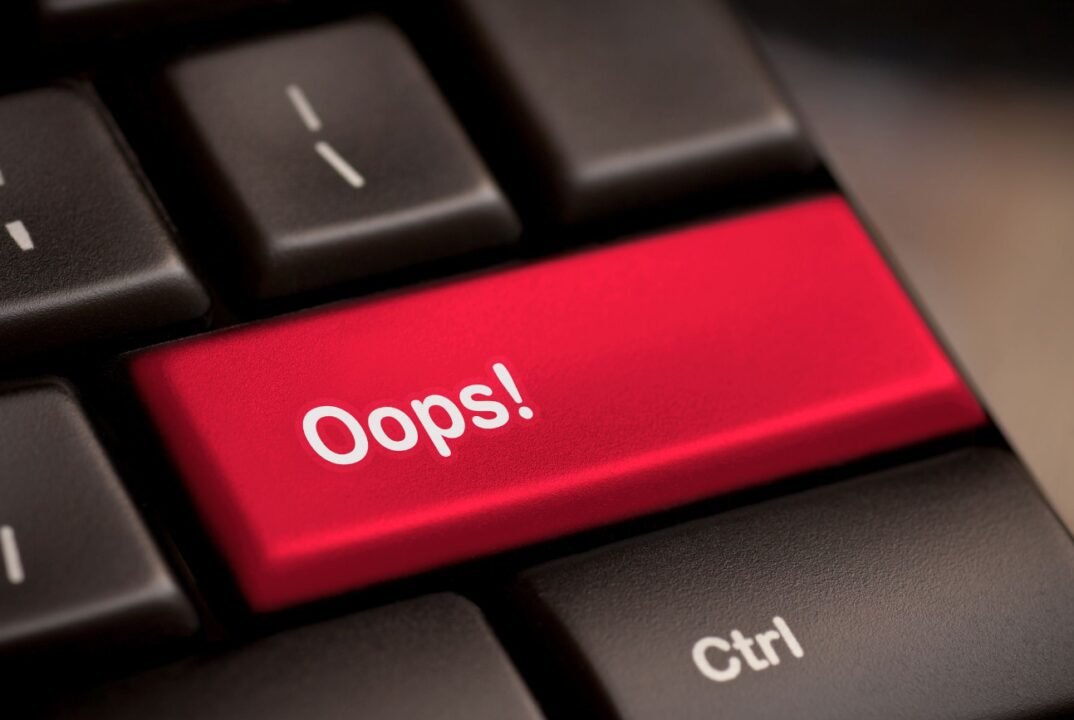
Red Oops! key adds playful touch to keyboard, next to Ctrl key.

The Intriguing World of Murphy’s Law Have you ever noticed that your toast tends to fall butter-side down, or that the line you switch to at the supermarket moves the slowest? Welcome to the whimsically frustrating world governed by Murphy’s Law, which succinctly states, “Anything that can go wrong, will go wrong.” This concept, often cited in jest, holds a deeper exploration into human psychology, engineering principles, and the art of planning with a pinch of fatalistic humor. Join us as we embark on an enlightening journey through the origins, applications, and surprising positivity of Murphy’s Law, proving that it’s more than just a pessimistic adage. The Origins: From Aerospace to Everyday Anecdotes A Twist of Fate in Engineering The roots of Murphy’s Law are not planted in folklore but in the rigorous testing environments of aerospace engineering. Legend traces it back to Captain Edward A. Murphy, Jr., an engineer working on Air Force Project

The Pygmalion Effect Or The Power of Expectations

Goldfish jumping between bowls symbolizing ambition and growth under clear sky.

In the heart of ancient Greek mythology lies a tale that mirrors one of the most fascinating psychological phenomena observed in human behavior—the Pygmalion effect. The story goes that Pygmalion, a sculptor disenchanted by the flaws of mortal women, crafted a statue so perfect and beautiful that he fell in love with his own creation. Through his desire and belief in the statue’s life-like qualities, it was brought to life by the goddess Aphrodite. This ancient myth serves as an allegory to a modern psychological reality: the power of expectations to shape human performance. The Pygmalion effect, named after this myth, explores the dynamics between expectancies and human potential. It reveals a compelling argument: the expectations we hold about the abilities of others can significantly alter their performance, often leading to an increase in their capability to achieve. This phenomenon stretches across classrooms, boardrooms, and even extends to personal relationships, illustrating the profound impact of

The Boomerang Effect: The Paradox of Influence

Person throwing boomerang in rural field under cloudy sky.

The Boomerang Effect emerges as a fascinating, often paradoxical, phenomenon. It underscores a simple yet profound truth: attempts to change minds or behaviors can sometimes lead to the very opposite of the intended outcome. This effect, reflective of the complex nature of persuasion and human psychology, provides a compelling narrative on the unintended consequences of influence attempts. In exploring this curious effect, we embark on a journey through the realms of psychology, sociology, and beyond, shedding light on why and how our best-intentioned efforts can sometimes backfire spectacularly. Understanding the Boomerang Effect At its core, the Boomerang Effect refers to the unintended consequence of reinforcing the original behavior or belief instead of changing it, as a result of efforts to alter that behavior or belief. This phenomenon is not merely a curiosity of human psychology; it is a mirror reflecting the intricate ways in which people resist, reinterpret, or outright reject attempts to influence their

The Cobra Effect: When Solutions Breed Bigger Problems

Close-up of hooded cobra in natural habitat with expanded hood and flicking tongue.

The best of intentions can sometimes yield the very worst outcomes. We’ve all fallen prey to quick fixes that seemed foolproof at first glance, only to worsen the problems we were trying to solve. There’s even a term for this phenomenon: the Cobra Effect. The Cobra Effect occurs when a well-intentioned solution to a problem creates unforeseen consequences, ultimately making the situation worse. This counterintuitive outcome offers a stark reminder of the interconnectedness of systems and the complexities inherent in addressing issues in the real world. The Origin: Snakes on a Train (or Colony) The term “Cobra Effect” finds its origin in a peculiar historical anecdote from colonial India. The British government, struggling with a venomous cobra infestation in Delhi, devised a seemingly simple solution: offer a bounty for every dead cobra turned in. The strategy, they reasoned, would incentivize the population to control the snake problem. Initially, the plan appeared to work brilliantly. Large

The Halo Effect – What It Is

Grey suit man with halo conveys authority and virtue against dark backdrop.

The Subtle Power of First Impressions Imagine walking into a room and, within moments, forming an opinion about every person you see. This instant judgment, influenced heavily by our first impressions, can significantly shape our interactions and decisions. This phenomenon, known as the Halo Effect, represents the cognitive biases that color our perceptions of others, often without our conscious awareness. As we delve into the essence of the Halo Effect, we explore how this psychological bias impacts various aspects of our lives, from the workplace dynamics to social interactions and marketing strategies. By understanding the Halo Effect, we invite readers on a journey to uncover the subtle yet profound influence of first impressions in shaping our world. The Origins of the Halo Effect: A Deep Dive Edward Thorndike’s early 20th-century research illuminated the Halo Effect, revealing how positive perceptions in one area could influence positive perceptions in unrelated areas. For instance, consider a scenario where

Introverts vs Extroverts

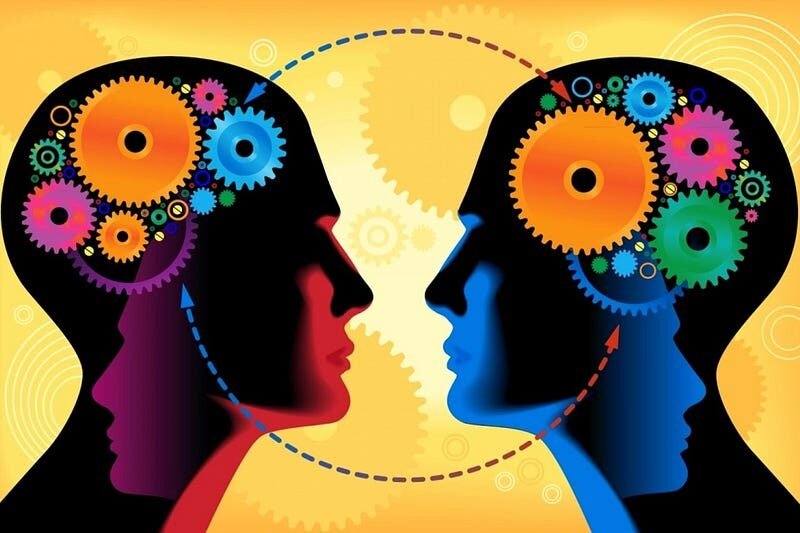
Colorful profiles with gears symbolizing intellectual exchange and connection on vibrant orange background.

Is it a disadvantage to be introverted? In an era where the buzz and hum of extroversion are often mistaken for the sweet sounds of success, a profound shift is underway, challenging the status quo. This shift, led by some of the most forward-thinking psychologists and cultural observers, heralds a new appreciation for the introverted soul—those individuals who navigate the world with a reflective and introspective compass, preferring the rich depths of solitude and thought over the broad highways of social engagement. The Extrovert Ideal: A Cultural Bias Society, with its kaleidoscope of social media platforms and a relentless calendar of events, seems to be on a constant quest for noise, visibility, and connection. Extroversion, characterized by a thirst for social interaction and a preference for the outer world of people and activities, has long been venerated. Success and personal fulfillment are often measured by the length and breadth of one’s social networks—both online and

Deciphering Human Emotions: Crying

Distressed woman with tear-filled eyes and hands covering mouth in emotional turmoil.

Why and When we cry? Human beings cry for different reasons: grief, sadness, helplessness or for feeling frustration, but we can also cry with happiness. Some animals also cry when they feel sad or sore, but the human species is the only one that cries with emotion. Let’s see in what circumstances we cry and why we do it. We cry for biological reasons. With crying, the tear is cleaned, adequate hydration of the eyes is achieved, and hormones are released that cause our well-being. Stress leads to an emotional overload in people, and crying eliminates a part of the adrenaline that causes that stress. It is proven that when crying, the body releases “endogenous opiates” that cause the same effects as some painkillers. But not always that we expel tears means that we are excessively sad or happy; the body is constantly expelling tears for other functions. Let’s define the types of tears: Basal tears: These types of

The 13 Unwritten Laws Of Manipulation

Surreal image of hand inserting key into businessmans back, symbolizing control and influence.

Navigating the Unseen Forces That Shape Our Decisions In the theater of human interactions, manipulation stands as an art veiled in shadows, orchestrating the dynamics of decision-making with the subtlety of a seasoned puppeteer. It’s the whisper in the crowd that directs attention, the invisible hand that guides actions. This article delves into the clandestine rules governing manipulation, revealing how unseen forces mold our perceptions, decisions, and, ultimately, our lives. I. The Law of Reciprocity: The Invisible Ledger The first unwritten law, the Law of Reciprocity, thrives on the principle of give-and-take, an invisible ledger of social exchanges. In the intricate dance of human relationships, gestures of goodwill are not merely acts of kindness but investments expecting returns. Manipulators leverage this law, offering favors, gifts, or concessions to invoke an internal pressure of indebtedness, subtly coercing individuals into reciprocating with disproportionate generosity or compliance. This exploitation of our innate desire to maintain social fairness and

These are our worst habits, based on Google searches

Close-up of person biting nail in thoughtful gesture, displaying signs of anxiety or nervousness.

Find out what are the most common bad habits in the world What are the bad habits of the people around us? In fact, they are many. Smoking. Drinking. Swearing. Farting … What about the worst practices everywhere else in the world? To find out, I analysed the search queries “how to stop … “ for each country most frequently searched on Google. Here I am going to share the results. The methodology of my study I listed the most common bad habits and looked at the average monthly Google searches for “how to quit” each of these habits (“how to quit drinking”, “how to quit smoking”, “how to stop biting your nails”, etc.). After translating these search terms into each local language, I looked at the most searched term on Google in each country for which data was available. What Bad habits do we have? We all have bad habits, and some are a bit less

How to Spot a Liar Through Body Language

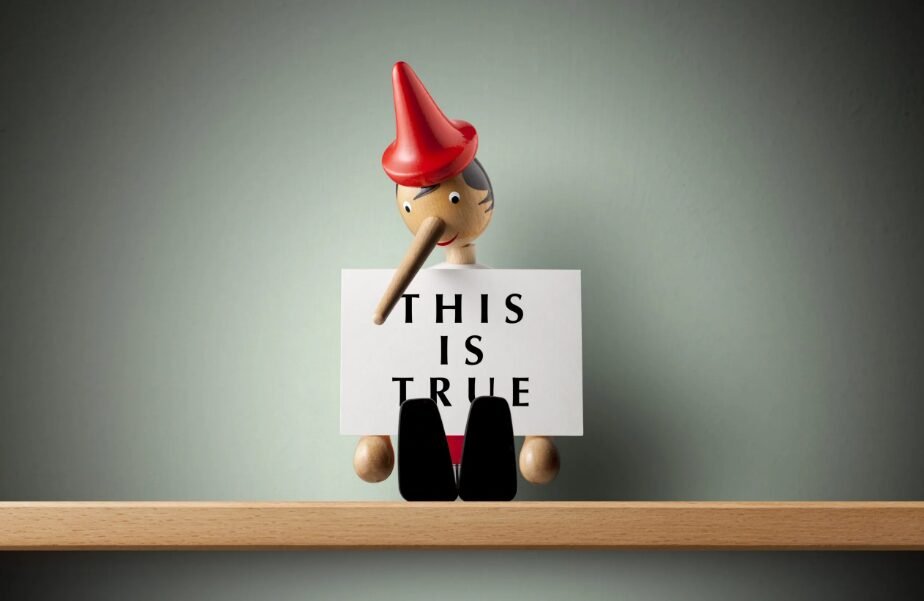
Whimsical Pinocchio Holding THIS IS TRUE Sign on Wooden Shelf

In the intricate dance of human interactions, the ability to discern truth from deception is invaluable. While words can easily be manipulated, body language provides a more candid view into a person’s true feelings and intentions. Here’s a detailed guide on how to spot a liar through body language, expanding on the initial insights with deeper exploration and practical advice. It’s All in the Eyes The eyes are often heralded as the windows to the soul, capable of revealing the deepest truths or concealing them. Liars might blink excessively or avoid direct eye contact, a sign of the cognitive burden lying imposes. Conversely, some may overcompensate by holding your gaze longer than natural, attempting to mask deceit with feigned sincerity. Observing these eye movements, along with dilated pupils or rapid shifting, can offer clues to someone’s honesty. Watch Their Hands Hand gestures and movements can unveil nervousness inherent in deception. Liars might touch their face,

14 Little-Known Facts About Laziness

Woman resting on bed with alarm clock, creating a tranquil atmosphere.

1. The Biological Basis of Laziness Laziness is not merely a choice; it has a biological basis. Research suggests that our energy conservation mechanisms, which evolved to ensure survival when food was scarce, play a role in what we perceive as laziness today. This instinctual drive to conserve energy can manifest as a reluctance to engage in physically or mentally demanding tasks. Source 2. Laziness and the Brain Neuroscientific studies have shown that laziness might be linked to the structure and functioning of the brain. The prefrontal cortex, responsible for decision-making and complex behaviors, is often less active in individuals who are perceived as lazy. This could mean that what we often label as laziness is actually a difference in brain functioning. Source 3. Genetic Influences Genetics play a significant role in our propensity for laziness. Certain genetic markers have been associated with a lower inclination towards physical activity. This suggests that for some individuals, being less